B2B sourcing at your fingertips
- Overview
- Details
- Recommended

Image
1/8
High Quality Factory Low Price Hot Sale Soap Noodles 8020 Soap Grain
US$ 160
10–24 Tons (UK)
US$ 120
25–49 Tons (UK)
US$ 95
≥50 Tons (UK)
Lead Time: 7 – 14 Days
Business Type: Manufacturer, Wholesaler, Distributor, Exporter, Online Seller
10 to 19
Employees
Visit Store
Follow
Sample Policy
We do not offer free samples, but will reimburse the buyer once an order is confirmed
Product information
Product Description:
Soap Noodles
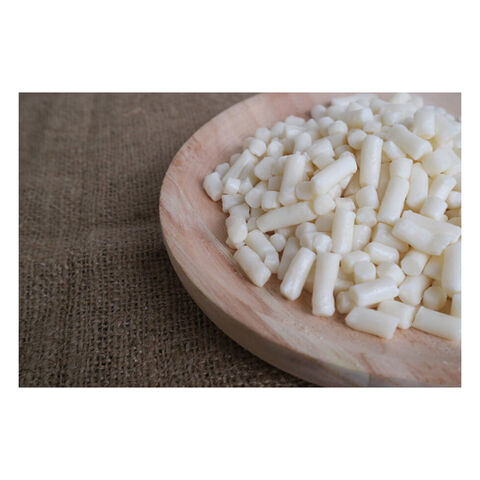
Soap noodles are the raw material used in the production of soap bars. They are essentially the base for making soap and come in a solid, noodle-like form. Soap noodles are a crucial ingredient in the soap manufacturing process, offering manufacturers the flexibility to create various types of soaps by adding different fragrances, colors, and other additives. They are widely used in both industrial and artisanal soap production.
Characteristics
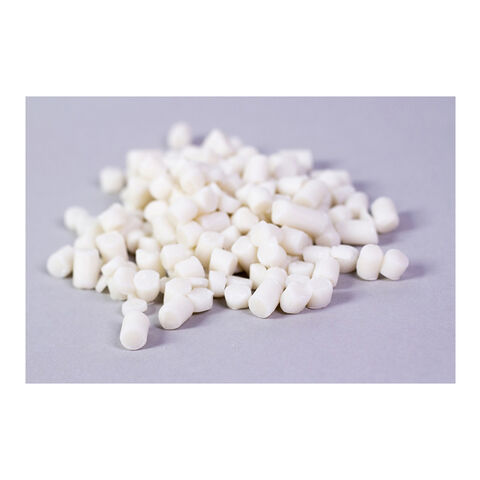
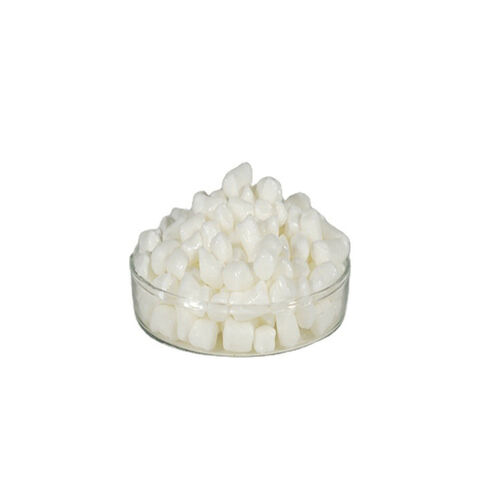
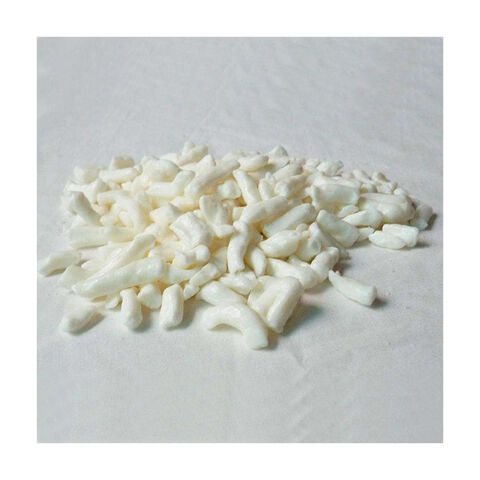
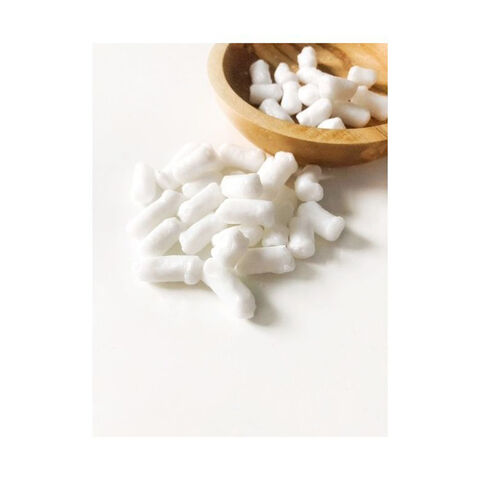
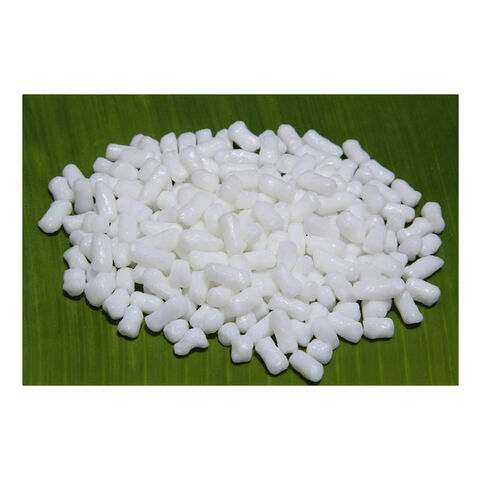
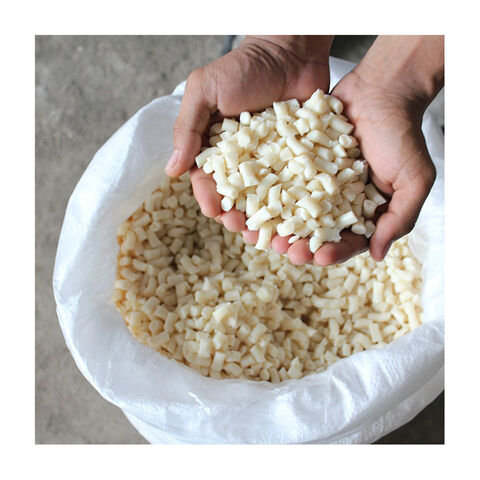
- Appearance: Soap noodles are typically small, cylindrical pieces that resemble short, thick pasta noodles. They can vary in color, from white to light yellow or beige, depending on the oils or fats used in their production and whether they are plain or already mixed with additives.
- Texture: The texture of soap noodles is firm and solid, making them easy to handle and process during soap production. They are typically smooth and slightly waxy to the touch.
- Composition: Soap noodles are made from natural vegetable oils, animal fats, or a combination of both. Common oils used include palm oil, coconut oil, and tallow. The choice of oils affects the soap's final properties, such as hardness, lather, and moisturizing abilities.
Types of Soap Noodles
- Vegetable-Based Soap Noodles: Made entirely from vegetable oils like palm oil, coconut oil, or olive oil. These are preferred for producing vegetarian or vegan soaps and are also more environmentally friendly.
- Tallow-Based Soap Noodles: Made from animal fats, typically tallow (rendered beef fat). These are commonly used in traditional soap-making and are known for producing a hard, long-lasting bar of soap.
- Semi-Transparent Soap Noodles: These are formulated to create translucent or transparent soaps, often used in the production of glycerin soaps.
- Specialty Soap Noodles: These may be infused with specific additives, such as moisturizers, fragrances, or colors, depending on the desired end product. Specialty noodles can be used to produce medicated, antibacterial, or exfoliating soaps.
Uses
- Bar Soap Manufacturing: Soap noodles are the primary raw material for making bar soaps. They are melted and mixed with other ingredients like fragrances, colors, and additives, then molded into bars.
- Liquid Soap Production: Although less common, soap noodles can also be used in the production of liquid soaps by further processing and dilution.
- Detergent and Cleansing Products: Soap noodles are sometimes used as a base ingredient in the production of other cleaning products, such as detergents and industrial cleansers.
Manufacturing Process
The soap-making process using soap noodles involves several steps:
- Melting: The soap noodles are melted down into a thick, molten form.
- Mixing: Fragrances, colors, and other additives are mixed into the molten soap base.
- Molding: The soap mixture is poured into molds and allowed to cool and solidify.
- Cutting: Once solid, the soap is cut into bars of the desired size and shape.
- Curing: The soap bars may be cured for a period to allow excess moisture to evaporate and to harden further.
Advantages of Soap Noodles
- Consistency: Soap noodles provide a consistent base, ensuring uniform quality and performance in the final soap product.
- Flexibility: Manufacturers can customize the soap by adding various ingredients to the soap noodles, allowing for a wide range of soap types and formulations.
- Cost-Effective: Using soap noodles can be more cost-effective than producing soap from scratch, as it reduces production time and complexity.
- Environmentally Friendly Options: Vegetable-based soap noodles, particularly those made from sustainable palm oil or other renewable resources, offer an eco-friendly option for soap production.
Storage and Handling
- Storage: Soap noodles should be stored in a cool, dry place to prevent them from absorbing moisture or becoming too soft. They should be kept away from direct sunlight and heat sources.
- Handling: Soap noodles are generally easy to handle and process, but care should be taken to avoid contamination during the soap-making process.
| Product Name | Soap Noodles |
|---|---|
| Quality | Top Quality |
| Place of origin | South Africa |
| Packaging | As per customer requirement |
Product Shipping:

Our Advantages:
Shipping Information
- FOB Port: Durban
- Lead Time: 7–14 Days
- Weight Per Unit: 5.0 Kilograms
- Dimensions Per Unit: 10.0 x 20.0 x 30.0 Centimeters
- US HTS Code: 34.0.1 20
- Units per Export Carton: 5.0
- Export Carton Dimensions: 20.0 x 25.0 x 30.0 Inches
- Export Carton Weight: 100.0 Grams
Main Export Markets
- - Asia
- - Australasia
- - Central/South America
- - Eastern Europe
- - Mid East/Africa
- - North America
- - Western Europe
More from this Supplier
Related products from other suppliers
-
 Competitive Price Direct Sales Soap Based Soap Noodle Transparent Custom Glycerol Soap BaseUS$ 1.30 - 2.301 Cartons (MOQ)
 - 2023SPA Wholesale Nature Organic Travel Hotel Handmade Organic men's Natural Soap With Cold Pressed SoapUS$ 0.68 - 0.801000 Sets (MOQ)
- 12pcs bath folwer soapUS$ 2.50 - 12.504000 Pieces (MOQ)
- Private Label Handmade Rice Soap Hair Growth Treatment Anti-Hair Loss Oil Control Organic Shampoo BarUS$ 1.05 - 1.49100 Pieces (MOQ)
- Custom disposable bath use small hotel soapUS$ 0.101000 Pieces (MOQ)
- Wholesale Dove Body Wash / Dove Beauty Cream Bar soap 100g / Dove Soap Original Bar soap 100gUS$ 0.10500 Units (MOQ)
- Wholesale Bulk Pure Organic Unrefined Raw material Shea ButterUS$ 1.001 Metric Tonnes (MOQ)
- Professional custom for hotel supplies hotel amenities bar soap for hotel bamboo hotel amenities biodegradable hotel amenitiesUS$ 0.02 - 0.0210000 Boxes (MOQ)
- OEM Natural Solid Organic Bathing Foam Soap Wholesale Skin Care Whiten Private Label Bath Soap BarUS$ 1.58 - 3.351000 Pieces (MOQ)
- Customized logo packaging 100g natural handmade Soap500 Pieces (MOQ)
- 2025 New 50pcs artificial flower rose soap flower head immortal bouquet packaging for mother's day giftUS$ 4.60 - 5.00200 Cartons (MOQ)
- OEM Natural handmade soap, organic soap, Olive Smoothy & Moistening Facial SoapUS$ 0.832000 Pieces (MOQ)
- Turmeric soap 180 pieces per box Colorful plastic box packagingUS$ 115.001 Cartons (MOQ)
- Buy cheap factory sales IRISH SPRING, DEODORANT BAR SOAP from factoryUS$ 5.00 - 8.001000 Cartons (MOQ)
- Oat Scrub Exfoliating Cleansing Soap Neutral Skin Moisturizing Gentle Exfoliant Removes Aged Cutin Non Drying HandmadeUS$ 0.33 - 0.372700 Boxes (MOQ)