B2B sourcing at your fingertips
- Overview
- Details
- Recommended

Image
1/8
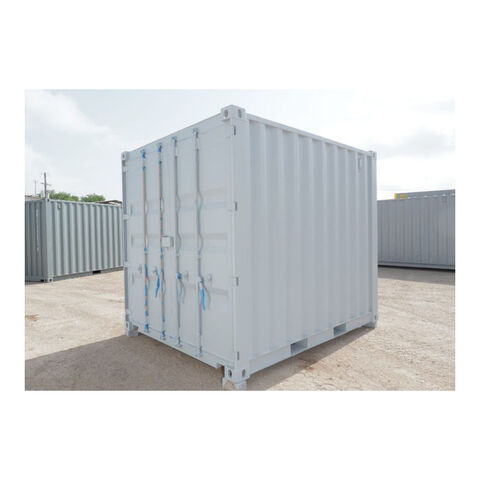
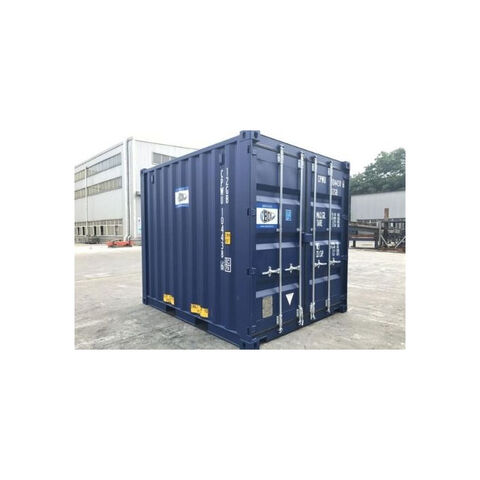
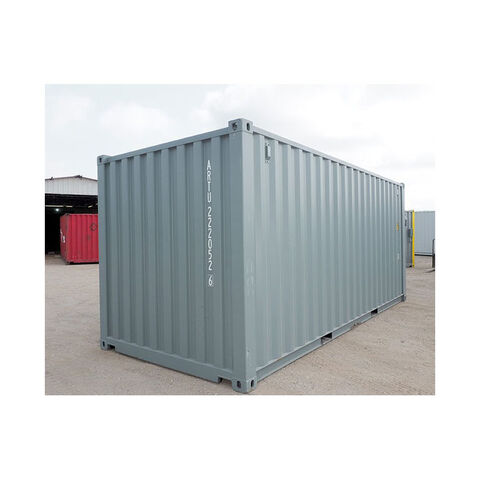
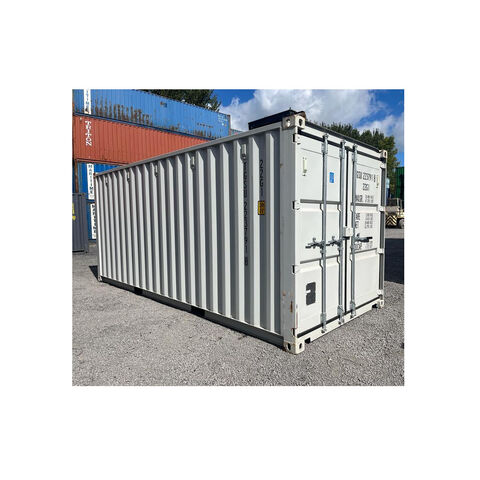
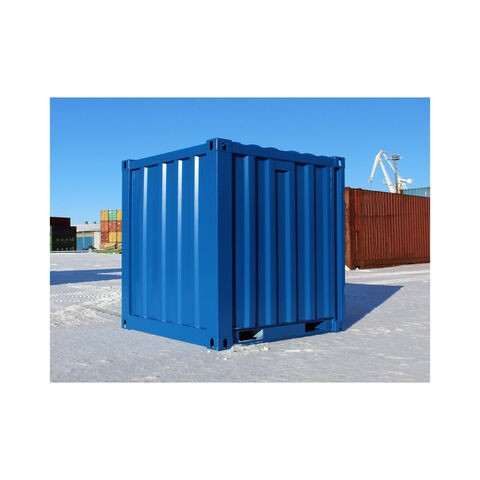
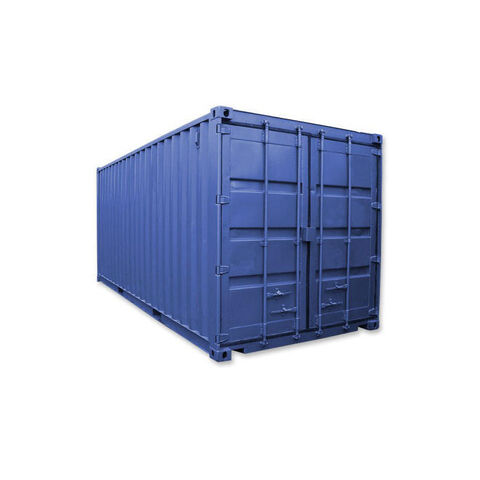
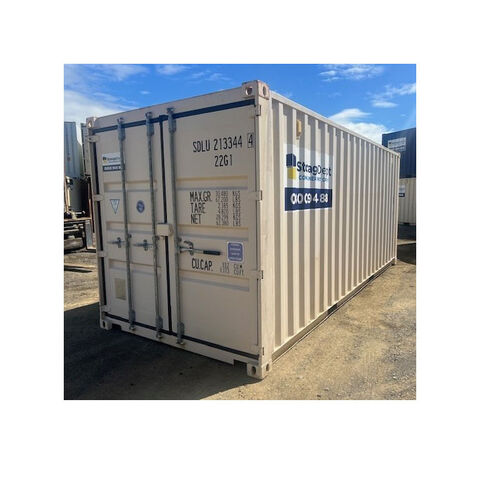
10/20/40ft standard shipping container is cheap and available for sale
US$ 700
10–24 Tons (UK)
US$ 620
25–49 Tons (UK)
US$ 500
≥50 Tons (UK)
Product Attribute
Material:
Metal, Stainless steel
Structure:
Galvanized steel frame
Lead Time: 7 – 14 Days
Business Type: Manufacturer, Wholesaler, Distributor, Exporter, Online Seller
10 to 19
Employees
Visit Store
Follow
Sample Policy
We do not offer free samples, but will reimburse the buyer once an order is confirmed
Product information
Product Description:
10ft, 20ft, and 40ft Shipping Containers
Shipping containers are robust, standardized steel boxes designed for transporting goods across long distances, typically via ships, trucks, and trains. They are an integral part of the global supply chain, offering secure, efficient, and versatile storage and transportation options. The three common sizes are 10ft, 20ft, and 40ft containers, each serving different needs based on the volume and nature of the cargo.
Characteristics
- Material: Shipping containers are typically made from high-grade steel, making them highly durable and resistant to harsh weather conditions, corrosion, and physical damage. The steel construction provides strength and security, ensuring the protection of goods during transit.
- Structure: Each container is equipped with corrugated walls, sturdy floors, and secure, weatherproof doors. The doors are usually fitted with heavy-duty locking mechanisms to ensure the security of the contents. The roof is also reinforced to withstand heavy loads, and the floor is often made from marine-grade plywood or steel to support heavy cargo.
- ISO Standards: Shipping containers are manufactured according to International Organization for Standardization (ISO) specifications, ensuring uniformity in dimensions and construction quality. This standardization facilitates easy stacking, handling, and transportation across different modes of transport.
Sizes and Specifications
- External: 10ft (3.05m) in length, 8ft (2.44m) in width, and 8.5ft (2.59m) in height.
- Internal: Approximately 9.5ft (2.90m) in length, 7.8ft (2.35m) in width, and 7.9ft (2.39m) in height.
- Dimensions:
- Capacity: Around 560 cubic feet (15.9 cubic meters).
- Weight: Tare weight (empty): Approximately 1,300 kg (2,866 lbs).
- Use Cases: Ideal for smaller loads, temporary storage, or when space is limited. They are often used on construction sites, for personal storage, or in areas with restricted space.
- 10ft Shipping Container:
- External: 20ft (6.06m) in length, 8ft (2.44m) in width, and 8.5ft (2.59m) in height.
- Internal: Approximately 19.4ft (5.90m) in length, 7.8ft (2.35m) in width, and 7.9ft (2.39m) in height.
- Dimensions:
- Capacity: Around 1,169 cubic feet (33.1 cubic meters).
- Weight: Tare weight: Approximately 2,300 kg (5,071 lbs).
- Payload: Can carry up to 28,300 kg (62,400 lbs) depending on the cargo.
- Use Cases: Widely used for transporting goods in international trade, ideal for medium-sized shipments. They are also popular for conversion into storage units, workshops, or modular buildings.
- 20ft Shipping Container:
- External: 40ft (12.19m) in length, 8ft (2.44m) in width, and 8.5ft (2.59m) in height.
- Internal: Approximately 39.5ft (12.01m) in length, 7.8ft (2.35m) in width, and 7.9ft (2.39m) in height.
- Dimensions:
- Capacity: Around 2,385 cubic feet (67.5 cubic meters).
- Weight: Tare weight: Approximately 3,800 kg (8,377 lbs).
- Payload: Can carry up to 26,500 kg (58,422 lbs) depending on the cargo.
- Use Cases: Suitable for large shipments, they are commonly used for long-haul international shipping, storage of bulk goods, or as the basis for container homes and larger modular structures.
- 40ft Shipping Container:
Types of Shipping Containers
- Dry Van Containers: The most common type, used for general-purpose cargo that does not require temperature control.
- Refrigerated Containers (Reefers): Equipped with a refrigeration unit, these containers are used to transport perishable goods, such as food and pharmaceuticals, at controlled temperatures.
- Open-Top Containers: These containers have a removable top, allowing for the transportation of oversized cargo that cannot fit through standard container doors.
- Flat Rack Containers: Designed for transporting heavy machinery or oversized goods, flat rack containers have collapsible sides, making them adaptable for various cargo types.
- High Cube Containers: Similar to standard containers but with an extra foot of height, providing additional storage capacity.
Applications
- Transportation: Shipping containers are primarily used for the transportation of goods via sea, rail, and road. Their standardized sizes and durability make them ideal for stacking and efficient handling.
- Storage: Containers are widely used as temporary or long-term storage solutions for businesses, construction sites, or personal use. Their secure structure protects stored items from theft, weather, and pests.
- Modular Buildings: Shipping containers are increasingly being repurposed into modular buildings, including offices, homes, and pop-up shops. Their durability, mobility, and cost-effectiveness make them an attractive option for sustainable construction.
- Emergency Housing: Due to their portability and quick setup, containers are often used in disaster relief situations to provide temporary housing or medical facilities.
Advantages
- Durability: Built to withstand harsh environments and heavy handling, shipping containers have a long lifespan and require minimal maintenance.
- Security: The solid steel construction and robust locking mechanisms provide excellent security for the contents.
- Versatility: Available in various sizes and types, shipping containers can be adapted for a wide range of uses beyond transportation, including storage, construction, and innovative architectural projects.
- Cost-Effective: Shipping containers offer a cost-efficient solution for transportation, storage, and construction, especially when compared to traditional building materials and methods.
Storage and Handling
- Storage: Containers should be stored on a level surface to prevent shifting or damage. Regular inspections are recommended to ensure they remain in good condition, especially if used for long-term storage.
- Handling: Shipping containers are typically moved using cranes, forklifts, or container handlers. Proper equipment and trained personnel are essential for safe and efficient handling.
| Product Name | 10ft 20/40ft Shipping Containers |
|---|---|
| Quality | Top Quality |
| Place of origin | South Africa |
| Packaging | As per customer requirement |
Product Shipping:

Our Advantages:

Shipping Information
- FOB Port: Durban
- Lead Time: 7–14 Days
- Weight Per Unit: 5.0 Kilograms
- Dimensions Per Unit: 10.0 x 20.0 x 30.0 Centimeters
- US HTS Code: 8.6.0 9
- Units per Export Carton: 5.0
- Export Carton Dimensions: 20.0 x 25.0 x 30.0 Inches
- Export Carton Weight: 100.0 Grams
Main Export Markets
- - Asia
- - Australasia
- - Central/South America
- - Eastern Europe
- - Mid East/Africa
- - North America
- - Western Europe
More from this Supplier
-
 High Quality 10/20/40 Feet High Cube Shipping Container 10/20/40 Feet Shipping Container For SaleUS$ 500.00 - 700.0010 Tons (UK) (MOQ)
 - 40 feet Length Refrigerated Freezer 40RH Reefer Container for SaleUS$ 520.00 - 800.0010 Tons (UK) (MOQ)
- Used Second Hand Cargo Containers 20ft/40 ft High Cube Used Shipping Containers 40ft hc Used for SaleUS$ 420.00 - 680.0010 Tons (UK) (MOQ)
- Durable refrigerated containers with advanced cooling technology ideal for long-distance shipping of fresh produce &pharmaceuticalUS$ 510.00 - 800.0010 Tons (UK) (MOQ)
- Used 20/40Ft Shipping Container used Dry Container For SaleUS$ 420.00 - 680.0010 Tons (UK) (MOQ)
- High-quality reefer containers designed for reliable temperature-controlled storage and transport of perishable goodsUS$ 510.00 - 800.0010 Tons (UK) (MOQ)
- BV Certified Blast Freezer Container 40 foot 40ft 40 40 ft High Cube HC Refrigerated Reefer ContainerUS$ 520.00 - 800.0010 Tons (UK) (MOQ)
- Used HQ shipping containers available for sale at cheap priceUS$ 550.00 - 720.0010 Tons (UK) (MOQ)
- Best Quality Containers used HQ shipping containers for saleUS$ 550.00 - 720.0010 Tons (UK) (MOQ)
Related products from other suppliers
- Turnkey Fire Assay Lab Container - Pre-Installed Fusion FurnaceUS$ 90000.001 Pieces (MOQ)
- Used Cold Storage 20ft Reefer Container 20 ft Refrigerated Container for SaleUS$ 900.00 - 1000.0010 Tons (US) (MOQ)
- 40ft Used Second Hand Cargo Containers 40 ft High Cube Used Shipping Containers 20 ft Used Available for Sale in Good ConditionUS$ 400.00 - 600.001 Pieces (MOQ)
- Hot Selling Used Shipping Containers 20ft 40ft 40ft High Cube Wholesale Factory Price Best Quality Storage Cargo ContainersUS$ 1800.00 - 3000.001 Pieces (MOQ)
- Wholesale Large Storage Shipping Containers New Used 20 Foot 40 Feets 40 hc Sea ContainerUS$ 900.001 Pieces (MOQ)
- New and Used 40ft 20ft Shipping ContainersUS$ 250.00 - 450.005 Pieces (MOQ)
- Used 45ft Reefer Container 20ft 40ft New/Used Reefer Container Cheap Shipping Container Second Hand Exporting GloballyUS$ 300.00 - 350.001 Units (MOQ)
- High cube 40ft containersUS$ 2000.005 Units (MOQ)
- Used 20ft 40ft container shipping container for saleUS$ 800.002 Units (MOQ)
- Customized New 20ft 48ft 45ft 40hq 40ft 48'HC High Cube Shipping Container Dry Bulk Cargo ISO STOCKUS$ 900.001 Pieces (MOQ)
- Durable 20ft and 40ft dry cargo shipping containers available in both brand new and used conditions. Ideal for shipping, storage,US$ 1500.001 Pieces (MOQ)
- Hot Sale Second Hand 20ft 40ft Used Reefer Container Use in Food Shipping 20 Shipping Container for SaleUS$ 600.00 - 700.001 Containers (MOQ)
- Buy Large Storage Shipping Containers 20 Foot Container New and Used 20Ft Shipping containerUS$ 1000.00 - 1400.002 Units (MOQ)
- Shipping container modelUS$ 7.80100 Pieces (MOQ)
- Refurbished Shipping Containers 20ft 40ft ISO Certified Steel Box for Storage and Transport UseUS$ 300.00 - 320.001 Units (MOQ)